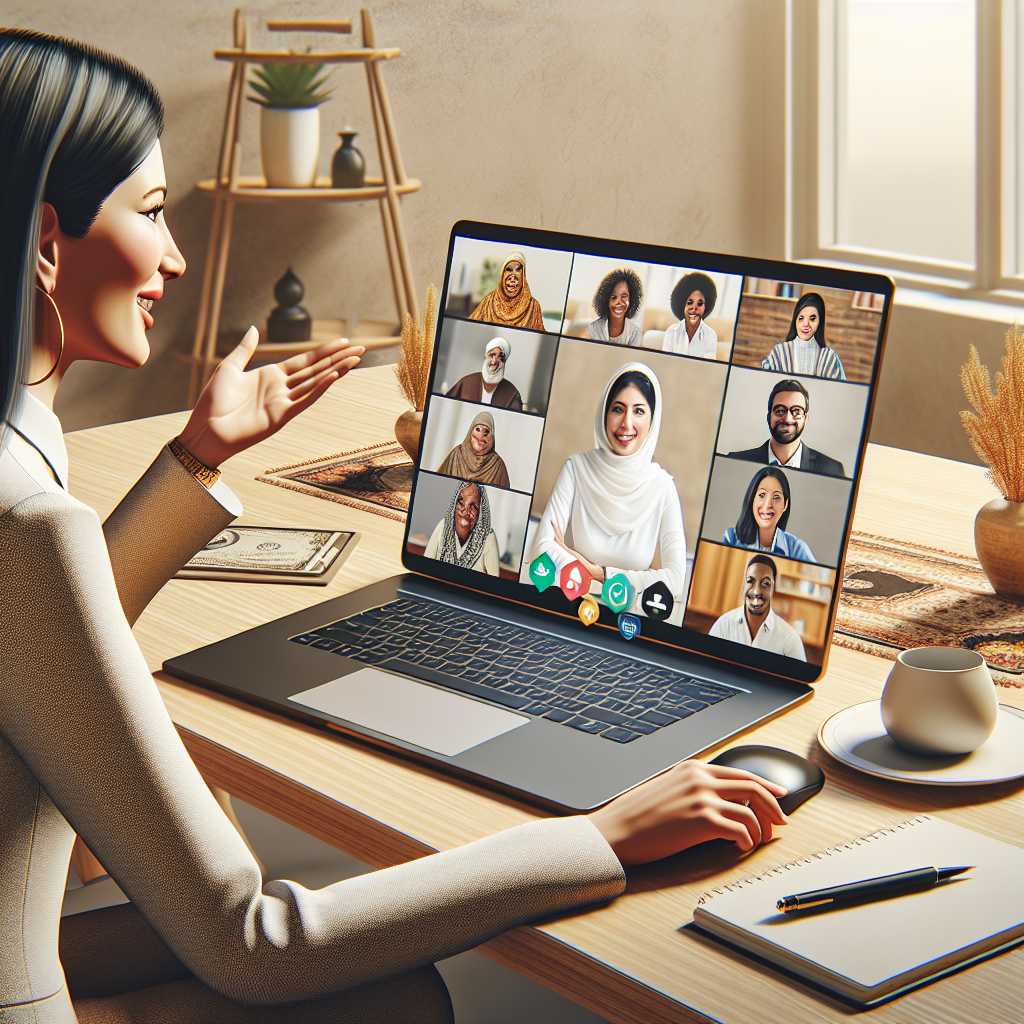
Building a remote team culture without ever meeting face-to-face might seem as challenging as winning a marathon without leaving your home. Yet, in today’s all-remote businesses, creating a workplace culture that thrives, even when geographically dispersed, is not only possible but essential for long-term success. Many teams have already paved the way and proven that with thoughtful strategies, the virtual environment can support just as much camaraderie and innovation as any traditional office space.
Supporting Connection Without Physical Presence: The Virtual Bond
In a remote setup, constructing genuine team bonds requires more than just regular check-ins. It’s about developing interactions that feel as natural as being at a coffee machine with colleagues. To achieve this, consider integrating both work-focused and informal interactions into the team’s rhythm. Discussions are encouraged to move beyond strict project parameters and allow room for less structured interactions as well.
– **Use of Technology:** One cannot stress enough the importance of selecting the right communication and collaboration tools. Platforms like Zoom, Slack, and Microsoft Teams offer a plethora of options for video calls and instant messaging. They allow teams to connect on both professional and personal levels.
– **Scheduled Virtual Hangouts:** Just because the team is remote doesn’t mean socializing should be off the table. Scheduling regular virtual hangouts supports interaction beyond work. These could be themed meetups, similar to traditional happy hours but conducted virtually.
– **Sharing Personal Stories:** Encourage team members to share personal stories or experiences that might relate indirectly to common team goals. This not only builds camaraderie but also enhances understanding among team members.
– **Interactive Fun Sessions:** Activities such as virtual game nights or book clubs can support a sense of belonging. It’s a context where teams can relax and share a laugh, creating personal bonds.
When organizations embrace a culture of open communication, transparency flourishes, promoting a sense of shared purpose. Tools like protect your data with NordVPN are essential in ensuring that all communications remain secure, further enhancing trust among team members.

It’s the small things that often make the biggest difference. Encouraging team members to bring personal touches to their work environment, even sharing their home office setup, can bridge the gap and support a sense of inclusion.
Clear Communication: The Foundation of Any Remote Culture
The absence of face-to-face interaction in remote work can create knowledge gaps and miscommunications, leading to potential challenges in productivity and teamwork. Addressing this requires establishing a communication culture that is clear, effective, and inclusive.
– **Defined Communication Channels:** Establish a protocol for which communication platforms are used for specific types of interactions to avoid confusion. For instance, Slack for quick updates or questions, emails for detailed reports or instructions, and Zoom for full team discussions.
– **Regular Updates and Touchpoints:** Implementing daily or weekly summaries can keep everyone on the same page. Regular updates help manage expectations and keep projects aligned with overall objectives.
– **Effective Use of Asynchronous Communication:** Remote teams across time zones rely heavily on asynchronous communication. This means goals and tasks should be clearly documented but also ensures that communication does not become burdensome.
– **Feedback Loop:** Create a culture where feedback is encouraged and acted upon. This develops trust as team members feel heard and valued, thus contributing to a thriving team culture.
Regular use of a VPN, like NordVPN, ensures that all correspondence is secure, adding an additional layer of trust to all communications.
Enablement and Autonomy: Building Trust and Accountability
In any work setup, enablement is crucial but becomes even more significant in a remote environment. Enabling your team involves giving them autonomy to make decisions and complete their tasks in ways they find best suited.
– **Define Roles and Responsibilities:** Clearly-defined roles help prevent overlap and confusion, which can hinder productivity and create friction between team members.
– **Encourage Initiative:** Allow team members the freedom to take initiative. The truth is, allowing mistakes can grow into learning opportunities and innovations that one might not have considered otherwise.
– **Establish Accountability Measures:** Having clear metrics and accountability systems in place ensures that while autonomy is encouraged, there is still a framework to evaluate performance and achievements.
– **Supportive Leadership Style:** Leaders should act as facilitators, helping to remove obstacles and provide resources necessary for success. Encouraging self-leadership in team members supports a culture of trust and self-sufficiency.
Enabling teams to connect remotely doesn’t stop at communication and accountability. Making consistent efforts to see beyond the task at hand develops an ethos where team cohesion is prioritized.
Trust is the glue of remote work success. Without the opportunity to see work being done, leaders must trust and support their employees, giving them the freedom to shine and innovate in their roles.
Inclusivity and Diversity: Creating a Respectful Work Environment
Inclusivity should be at the forefront of building a remote team culture. It enhances collaboration and supports a work environment where everyone feels valued and included.
– **Diverse Hiring Practices:** Build diversity into hiring practices to create a richly varied and adaptable team. This provides different perspectives which lead to innovation and problem-solving capabilities.
– **Inclusion in Decision-Making:** Every team member’s voice should be heard. Create forums for ideas to be shared openly and ensure diverse perspectives are considered when making decisions.
– **Cultural Competence Training:** Include training to increase cultural awareness, promoting respect and understanding amongst the team. This helps in reducing miscommunications and allows for smoother collaborations.
– **Celebrate Diversity:** Recognize and celebrate all cultures represented in your team. This can be through simple gestures like including holidays from multiple cultures in the company calendar or hosting events celebrating international food or music.
These strategies nurture an environment where differences are not just tolerated but celebrated, turning a remote team into an inclusive and diverse powerhouse.
The Role of Technology in Bridging Gaps
Technology is the backbone that keeps remotely working teams connected. Selecting and efficiently using the right tools is central to creating a productive and positive remote culture.
– **Collaboration Platforms:** Tools like Slack, Microsoft Teams, and Zoom ensure smooth interaction and allow team members to communicate openly and efficiently, breaking down geographical barriers.
– **Project Management Tools:** Platforms like Asana, Trello, and Monday.com are invaluable for organizing work, ensuring everyone is on task, on schedule, and aligned with overall goals.
– **Time Zone Management Tools:** Tools like World Time Buddy help teams coordinate across time zones, ensuring that meetings and deadlines are manageable and considerate of everyone’s work-life balance.
– **Security Tools:** Using VPNs and encryption tools ensures that all communications and data-sharing are protected against breaches, reinforcing trust and security within the team.
These technological solutions help remote teams function effortlessly, synchronizing individual efforts into a powerful collective outcome. Protect your data with NordVPN to maintain online security while collaborating remotely.
Balancing Flexibility with Structure: Navigating Remote Work Dynamics
While flexibility is one of the prized attributes of remote work, it must be balanced with a degree of structure to ensure productivity. The challenge lies in finding the optimal balance between these two.
– **Flexible Schedules:** Allow team members to maintain flexible working hours that cater to their peak productivity times and personal commitments. This flexibility can lead to increased satisfaction and efficiency.
– **Consistent Framework and Schedules:** Implement a standard framework for meetings and deadlines to maintain momentum and cohesion across the team despite individual flexibility.
– **Use of Calendar Tools:** Encourage the use of shared digital calendars to maintain visibility of team members’ availability which helps in scheduling meetings and allocating tasks efficiently.
– **Clear Performance Goals:** Flexible work calls for clear and mutually agreed-upon goals to ensure all efforts are directed towards the team’s success rather than individual pursuits.
Balancing flexibility and structure supports an environment of accountability and freedom. This ensures teams reach their goals without sacrificing work-life harmony.
Schedules should work for the team, not against them. Consider allowing team members to choose their core hours, balancing personal and team priorities effectively.
Developing Recognition and Reward Systems
Recognition and rewards within a remote team catalyze engagement, satisfaction, and productivity. Tailoring these systems to a remote structure is essential to reinforce team unity and morale.
– **Regular Recognition:** Make recognition a routine affair rather than an occasional event. This keeps team spirits high and emphasizes their continuous contributions to the organization’s success.
– **Spotlight Achievements:** Use team meetings or digital channels like newsletters to highlight individual or team achievements. Let everyone know who’s contributing and how much their efforts matter.
– **Incentive Programs:** Create incentive programs that tangibly recognize exceptional work. Digital gift cards, online subscriptions, or bonus leave days tailored to individual preferences are effective.
– **Anonymous Feedback Tools:** Encourage team members to recognize their peers’ efforts anonymously, promoting a culture of peer recognition.
With proper recognition systems, teams are buoyed by mutual appreciation and drive, nurturing a positive culture that’s vibrant and thriving.
Measuring Success in a Remote Team
Determining success in a remote setup entails complete assessment strategies that go beyond usual metrics like hours worked or tasks completed to focus on overall impact and team satisfaction.
| Feature | Traditional Office Team | Remote Team Culture |
|——————————|————————-|—————————–|
| Communication | In-person | Mostly written & online |
| Collaboration Tools | Limited | Advanced & diverse platforms|
| Leadership Style | Direct oversight | Enablement & autonomy |
| Team Bonding Activities | Regular physical events| Virtual engagements |
| Flexibility | Limited | High with structured guidance|
| Recognition and Rewards | In-person weekly | Virtual & ongoing |
| Talent Pool | Local or regional | Global |
| Data Security | Physical | VPN & encryption have key roles|
– **Impact and Outcomes:** Rather than counting hours, focus on the outcomes and impact of tasks delivered. This respects the autonomy of team members and emphasizes productivity.
– **Team Satisfaction Surveys:** Conduct surveys to gauge team member satisfaction with personal growth, team dynamics, work-life balance, and overall organizational culture.
– **Adaptive Strategies:** Be ready to change existing strategies if they don’t yield desired results. This flexibility ensures the team stays productive and content.
– **Success Stories:** Share customer testimonials or internal success stories to highlight the team’s contributions.
Evaluating success in a remote team calls for an interdisciplinary approach that appreciates the nuances of working without physical interaction.
Set team benchmarks not just based on targets met but stories of team camaraderie and support. It’s essential to recognize the humans behind the job numbers.
Conclusion: Crafting an Enduring Remote Team Culture
Building a remote team culture means forging connections that transcend screens. It involves a conscious effort to use technological tools to their fullest potential, invest in diverse and inclusive practices, and support team autonomy, communication, and recognition. This supports an engaging environment where everyone’s unique contributions earn them the spotlight they deserve.
To succeed without face-to-face interactions, remote teams must nurture trust and promote a culture that values both individual and collective achievement. By anchoring these strategies firmly in the company ethos, organizations can enjoy the freedom of remote work without sacrificing culture, connection, or productivity.
Frequent evaluation and adaptation allow remote work dynamics to stay solid, with everyone rowing in the same direction. Thinking critically about the structures and processes enables these teams to operate at maximum potential, submitting meaningful work that stretches far beyond the confines of traditional office budgets.
Remembering to involve simple gestures like checking in or celebrating a small win can play as crucial a role as a major upgrade in technology. Remote teamwork, when done right, can not only replicate but redefine traditional team culture efficacy.
Frequently Asked Questions
How can teams feel connected when working remotely?
Virtual team-building, consistent and open communication, promoting inclusivity and routine celebrations of personal or professional milestones can make teams feel connected in a remote setup. Using technologies like Slack or Zoom can facilitate interpersonal communication that mimics in-person interactions to a degree.
What tools are best for remote team communication?
Tools like Slack for messaging, Zoom for video conferences, Trello or Asana for project management, and shared calendars through platforms like Google Calendar are among the best for facilitating communication, managing tasks, and scheduling within remote teams.
How can flexible work arrangements be successfully managed remotely?
This involves blending personal preference with team goals, using shared tools to manage schedules and expectations, and having clear performance goals set that ensure alignment and productivity.
What role does security play when working remotely?
Security is paramount in remote work, as team data and intellectual property need protection. Employing VPN services like NordVPN helps secure the data transmission and provides peace of mind to both businesses and employees.
What are some effective remote team bonding activities?
Virtual happy hours, book clubs, team challenges, and online gaming nights are some effective remote team bonding activities. It’s about creating fun, informal environments where individuals can connect beyond professional assignments.
P.S. Want my complete list of tested and approved tools? Grab my free ebook here.
Test everything. Trust nothing. — Alex
Explore More from Trail Media Network
- AI Tool Trail
- Automation Trail
- Software Trail
- Remote Work Trail
- Creator Trail
- Freelancers Trail
- Ed Tech Trail
- Side Hustle Trail
Tools We Recommend
These are the tools the Trail Media Network team uses and recommends:
- Make.com — Build powerful automations without writing code. Try Make.com free
- NordVPN — Essential online privacy and security. Get NordVPN
- Tidio — AI-powered live chat and customer support. Try Tidio free
- B12 — AI website builder that gets you online fast. Try B12 free
- AccuWeb Hosting — Reliable, affordable web hosting. Check AccuWeb Hosting
- Pictory — Turn blog posts into engaging videos. Try Pictory free
Some links above are affiliate links. If you purchase through them, we earn a small commission at no extra cost to you. We only recommend tools we genuinely use and rate.
Leave a Reply